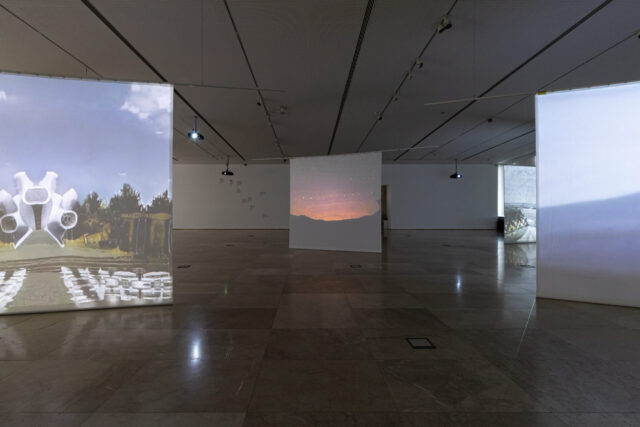
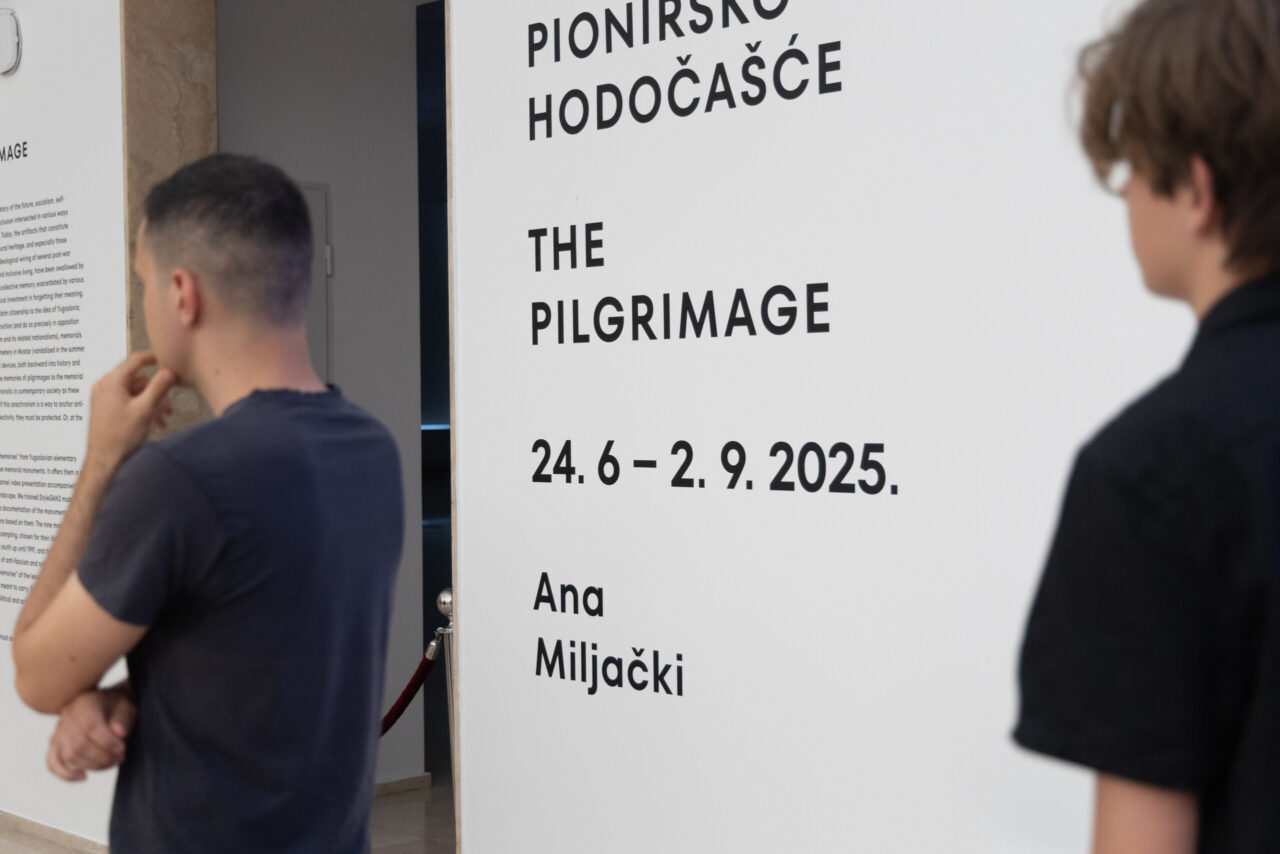
In Yugoslavia’s historical laboratory of the future, socialism, self-management, tolerance, and inclusion intersected in various ways with architectural imagination. Today, the artifacts that constitute Yugoslavia’s socialist architectural heritage, and especially those that were instrumental in the ideological wiring of several post-war generations for anti-fascism and inclusive living, have been swallowed by the entropic appetite of aging collective memory, exacerbated by various forms of local and global political investment in forgetting their meaning. But, for those who choose to claim citizenship to the idea of Yugoslavia, now thirty years after its destruction (and do so precisely in opposition to crude transitional capitalism and its related nationalisms), memorials like the Partisan Memorial Cemetery in Mostar (vandalized in the summer of 2022) serve as navigational devices, both backward into history and forward into the future. Private memories of pilgrimages to the memorial sites they mark are as anachronistic in contemporary society as these objects themselves. And yet, if this anachronism is a way to anchor anti-fascist and transnational collectivity, they must be protected. Or, at the very least, remembered.
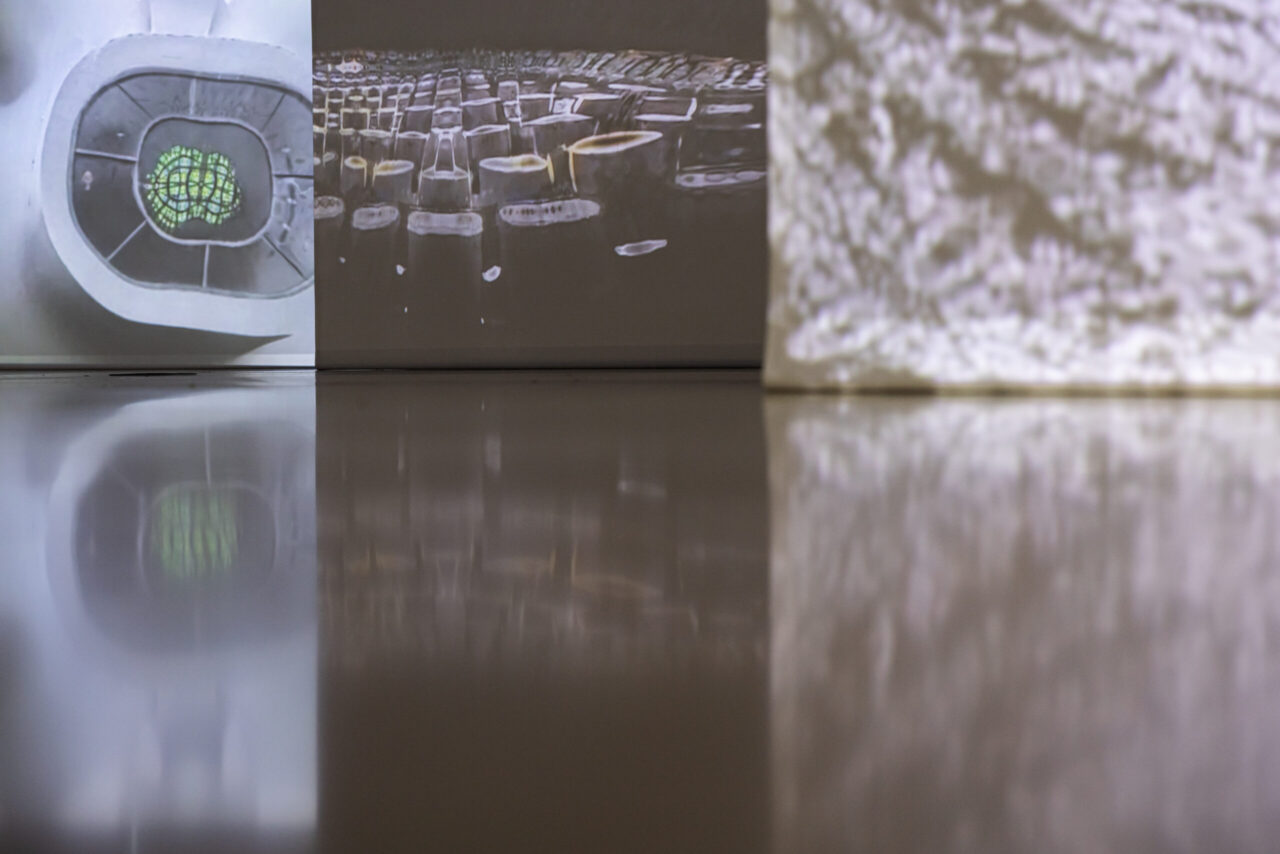
The Pilgrimage synthesizes “memories” from Yugoslavian elementary and high-school visits to these memorial monuments. It offers them in a shifting and spatial multi-channel video presentation accompanied by a non-linear documentary soundscape. We trained StyleGAN3 models on archival and individual photo documentation of the monuments to output a series of video interpolations based on them. The nine monuments currently included are but a sampling, chosen for their likelihood to have been visited by Yugoslavia’s youth up until 1991, and thus most prone to resonate with the messages of anti-fascism and national brotherhood. In offering its “synthesized memories” of the lessons for the future that the original memorials were meant to carry, The Pilgrimage also presents anti-fascism and unity as political and activist positions available (and necessary) today.
The Pilgrimage is both historical and impossible.
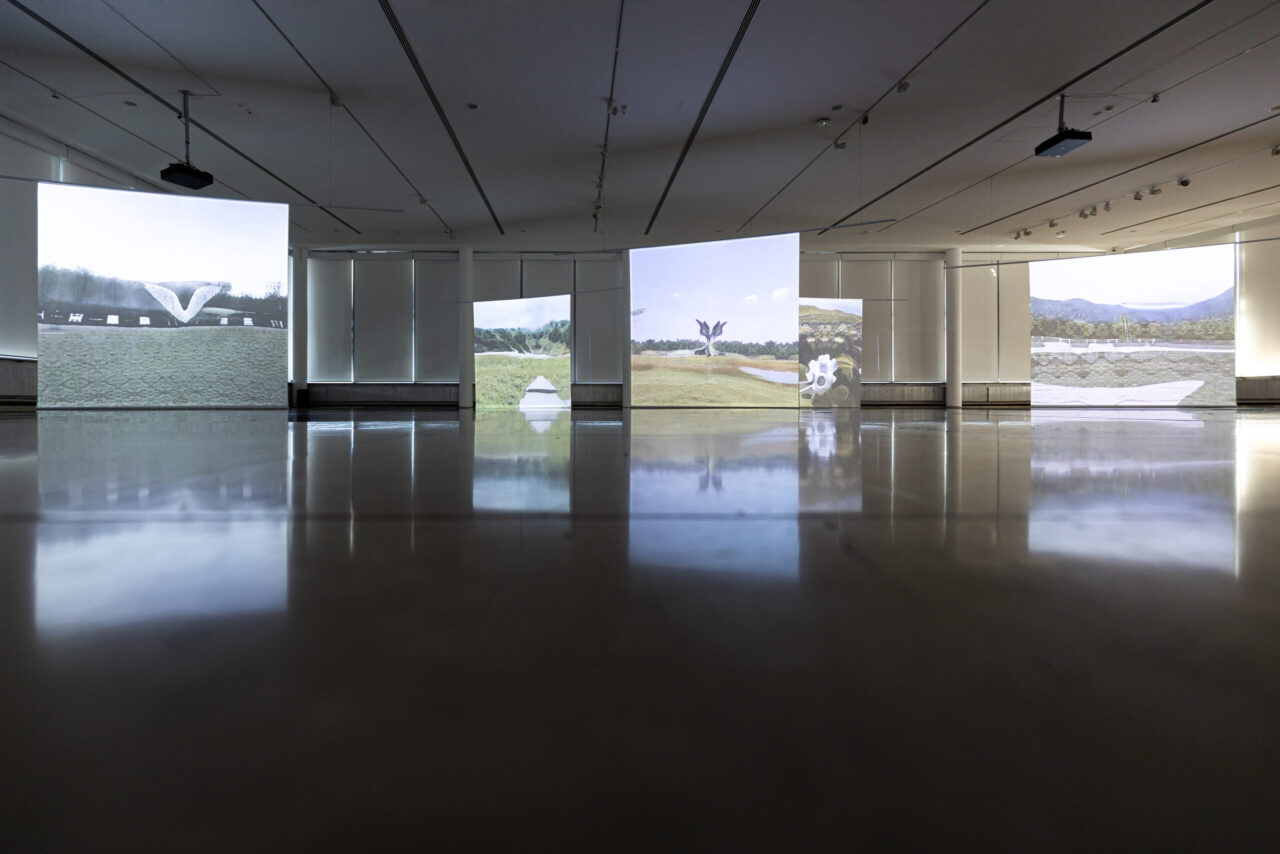
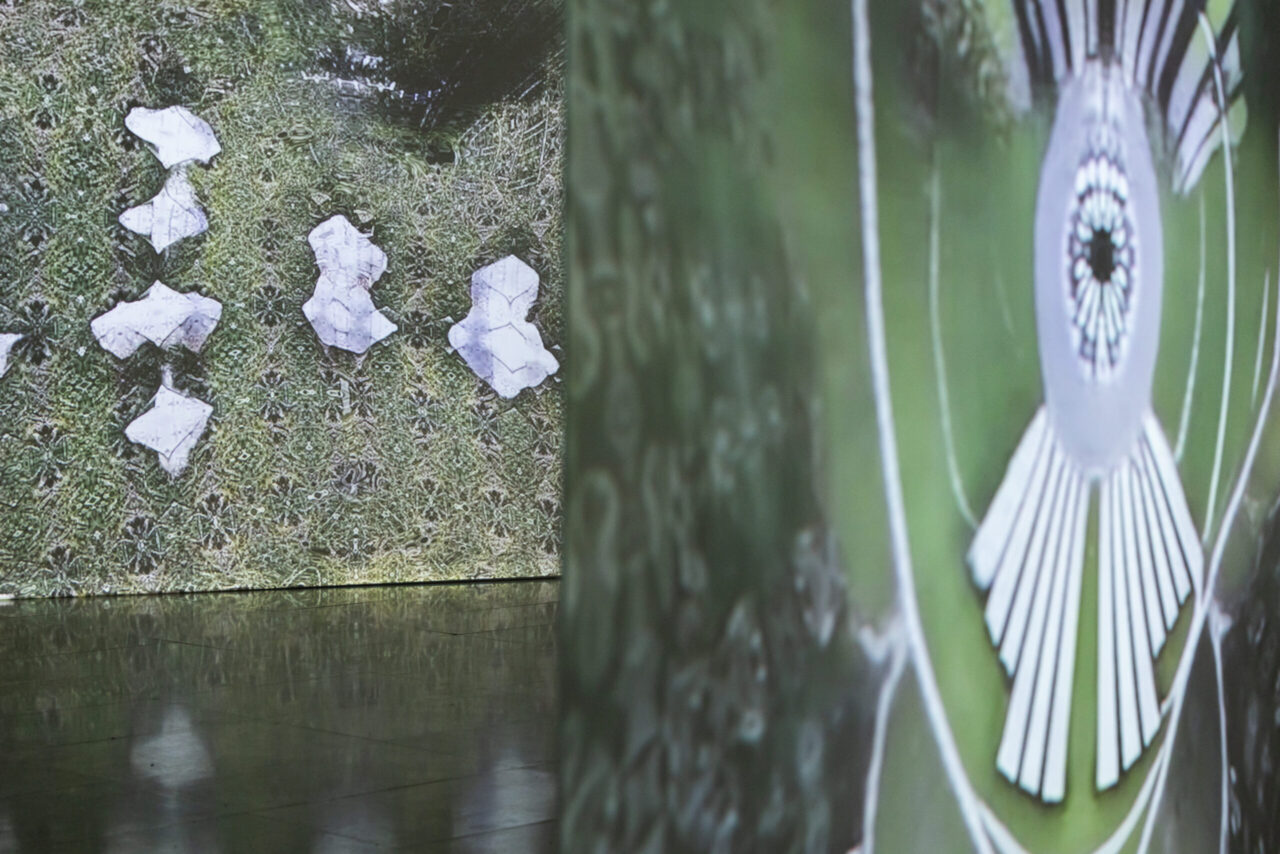
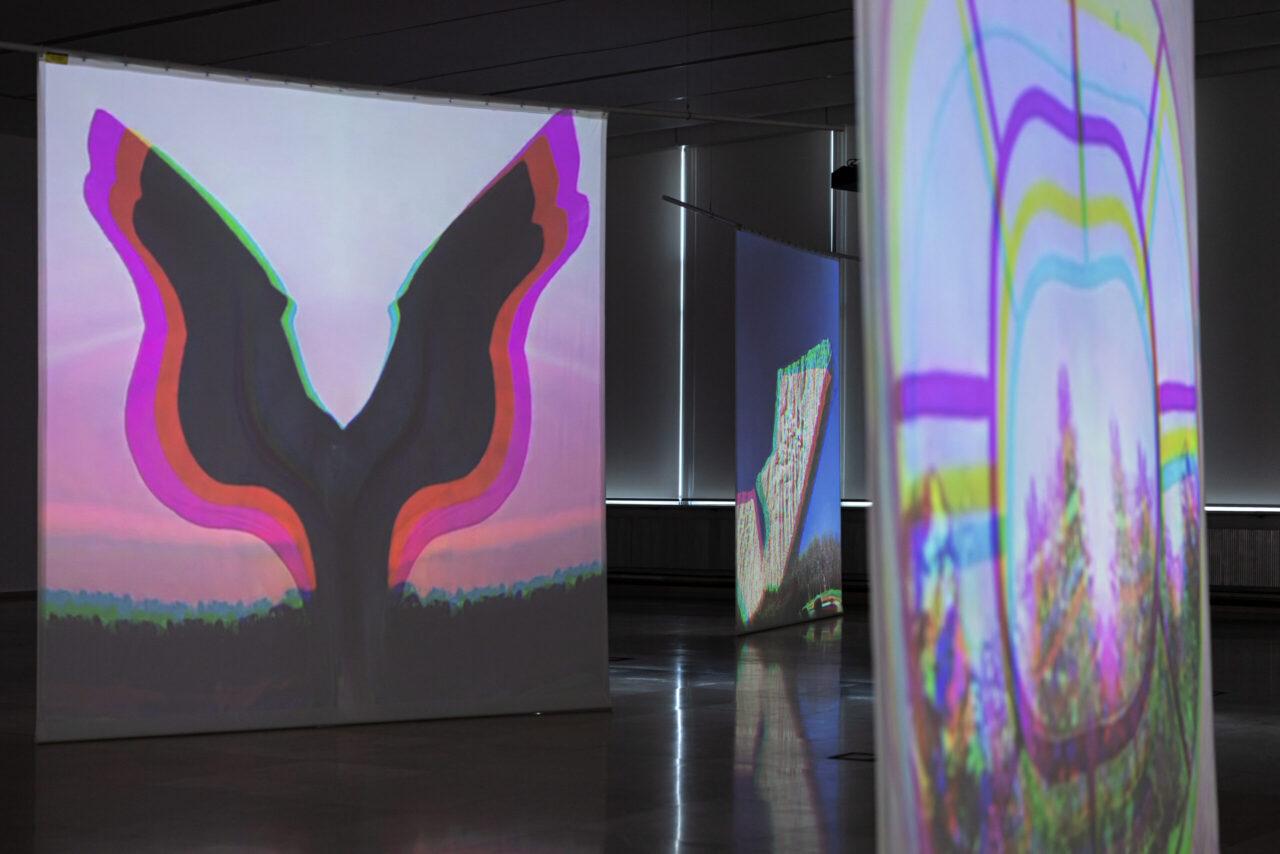
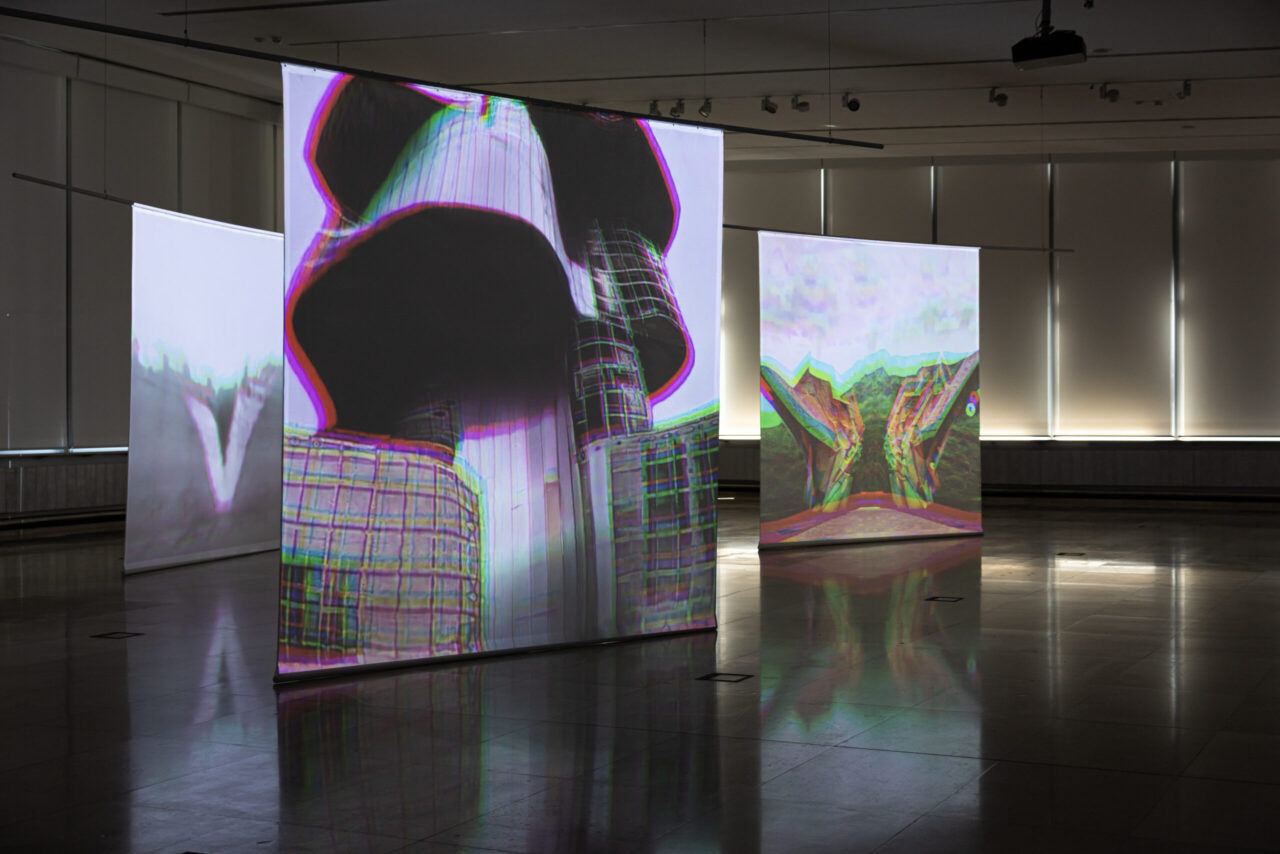
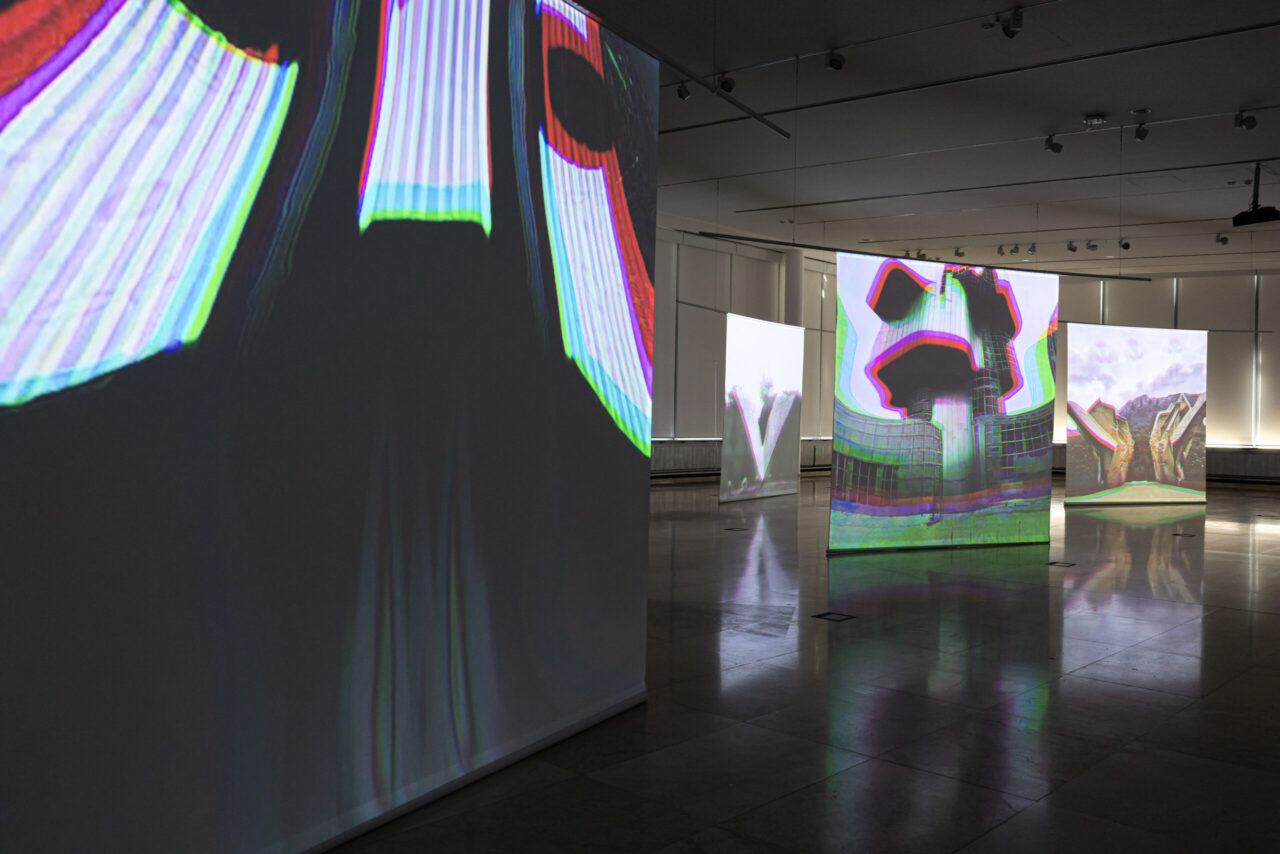
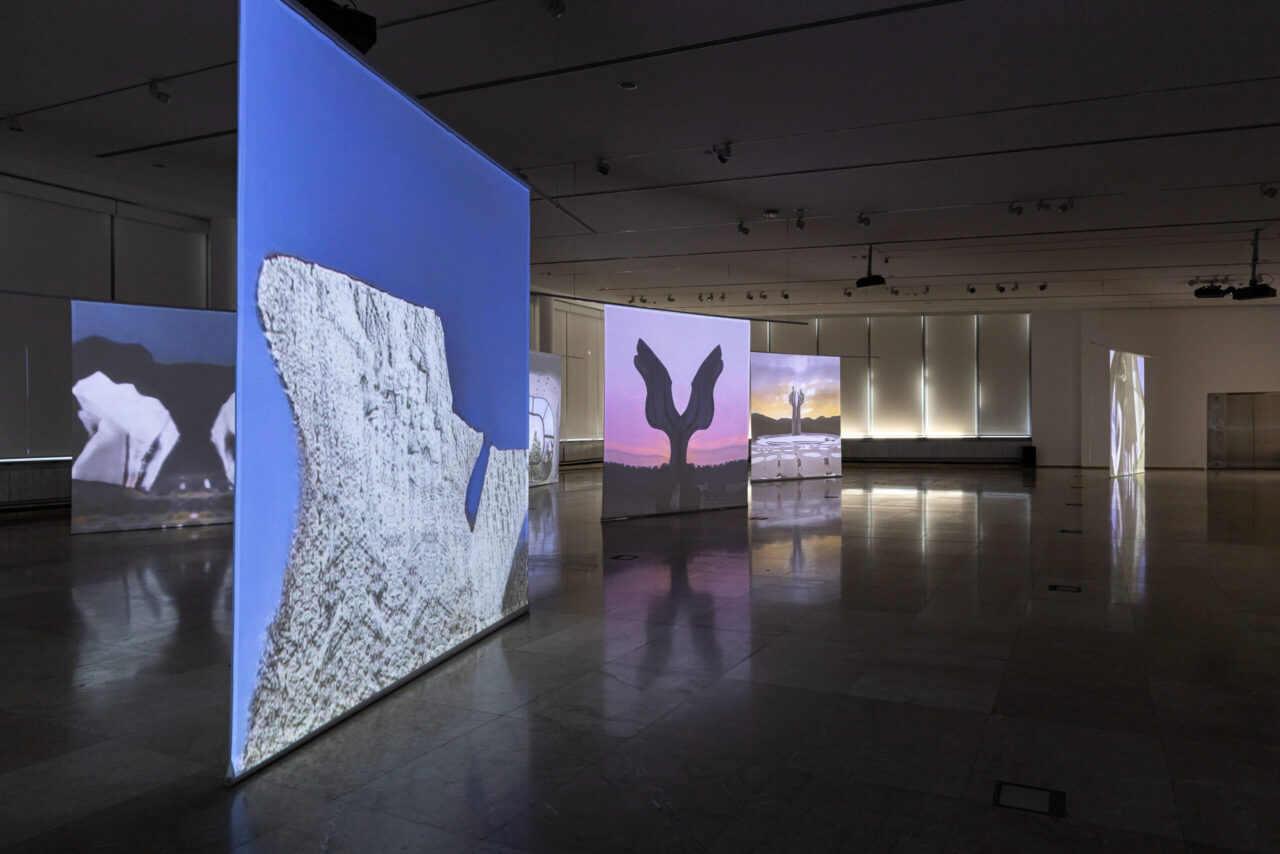
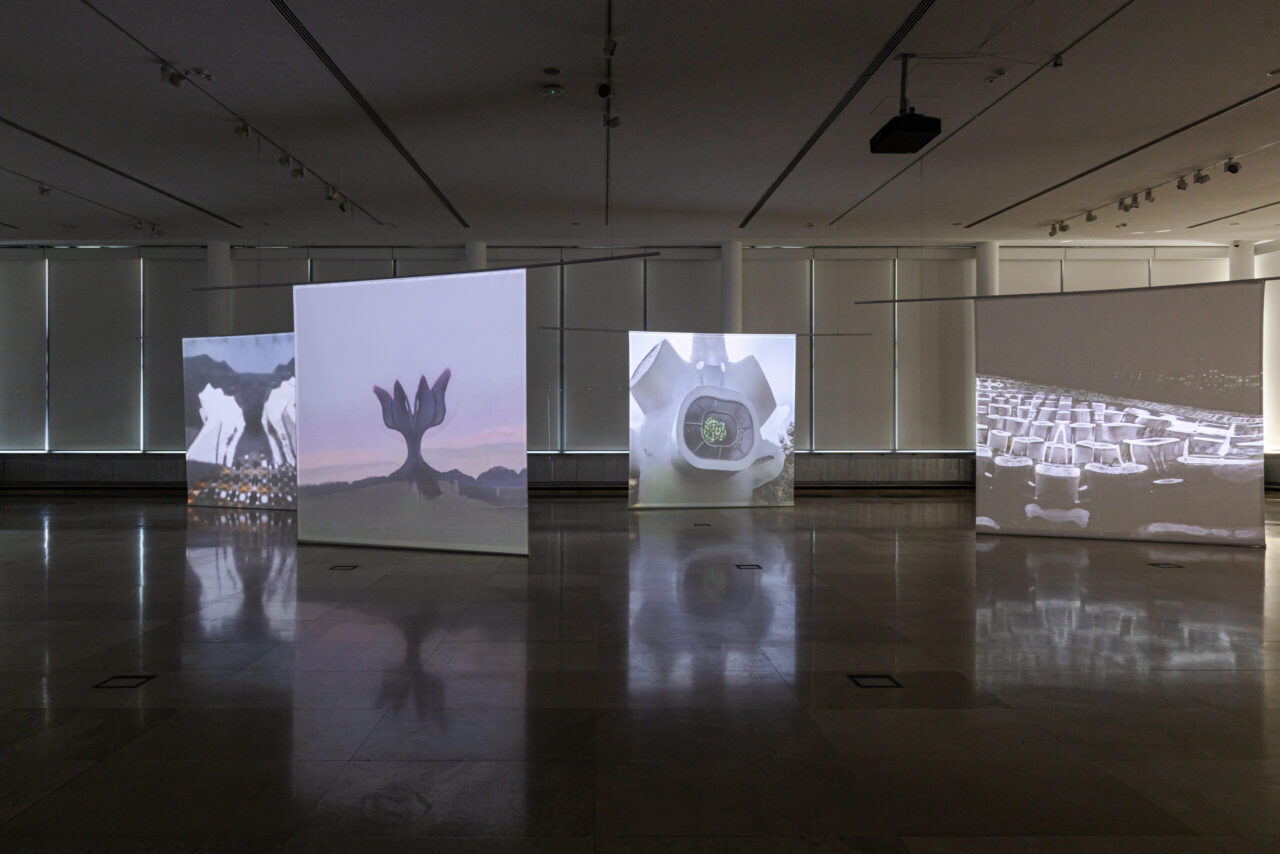
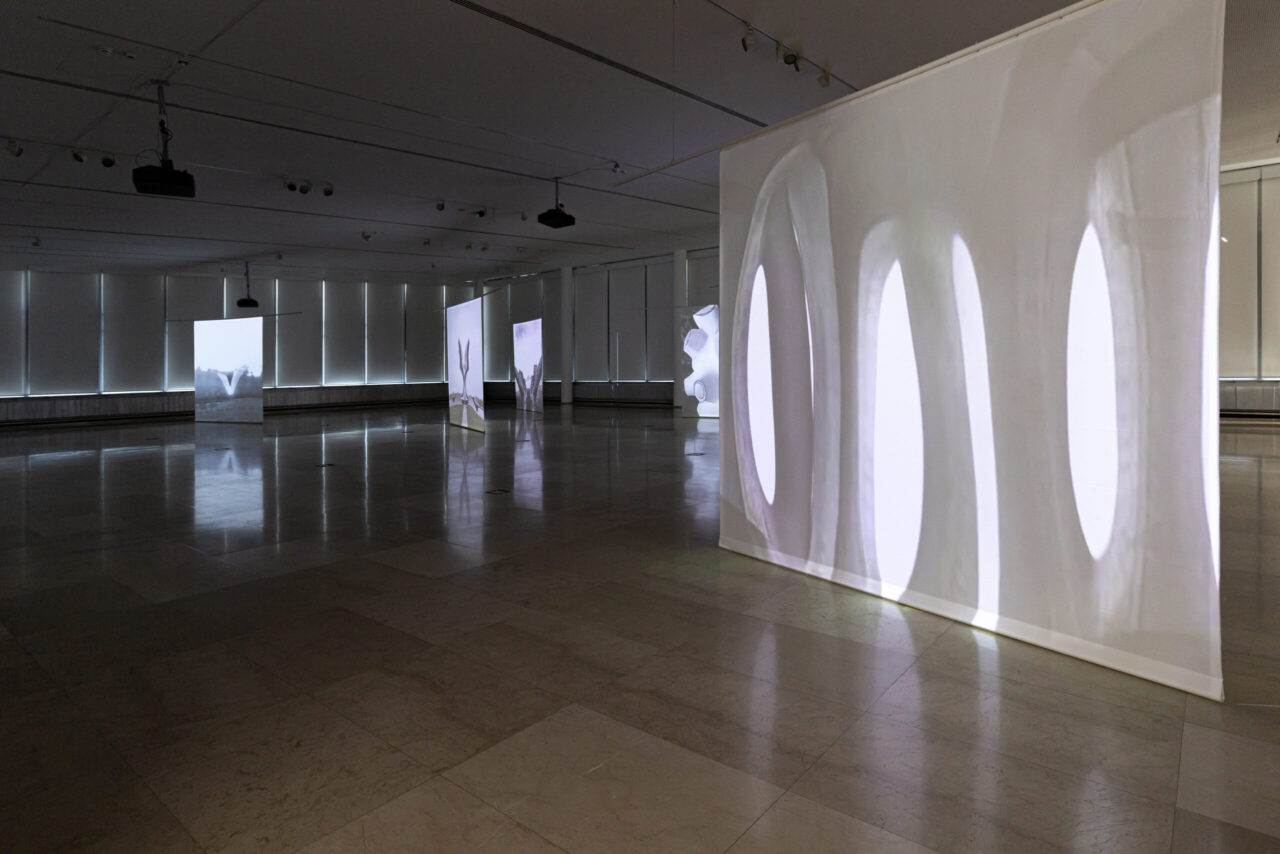
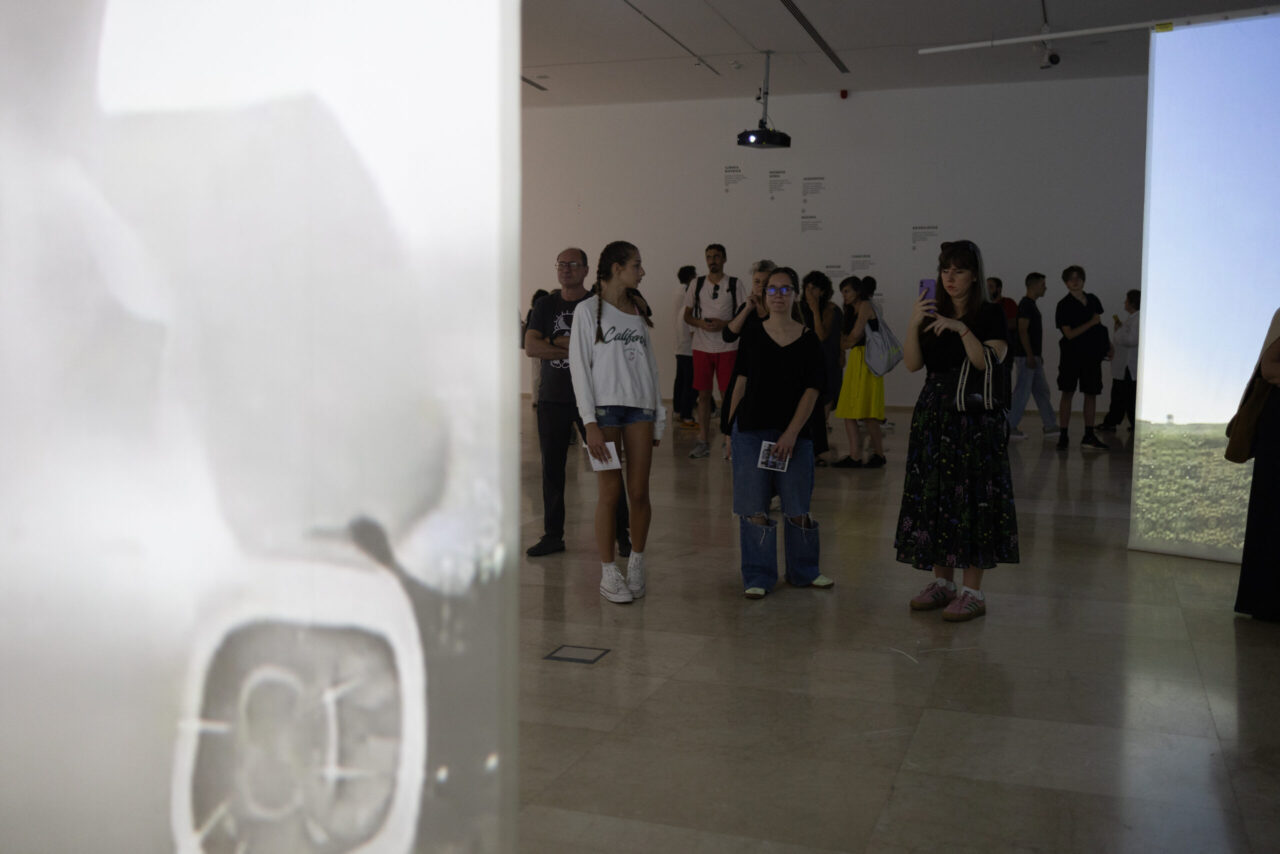
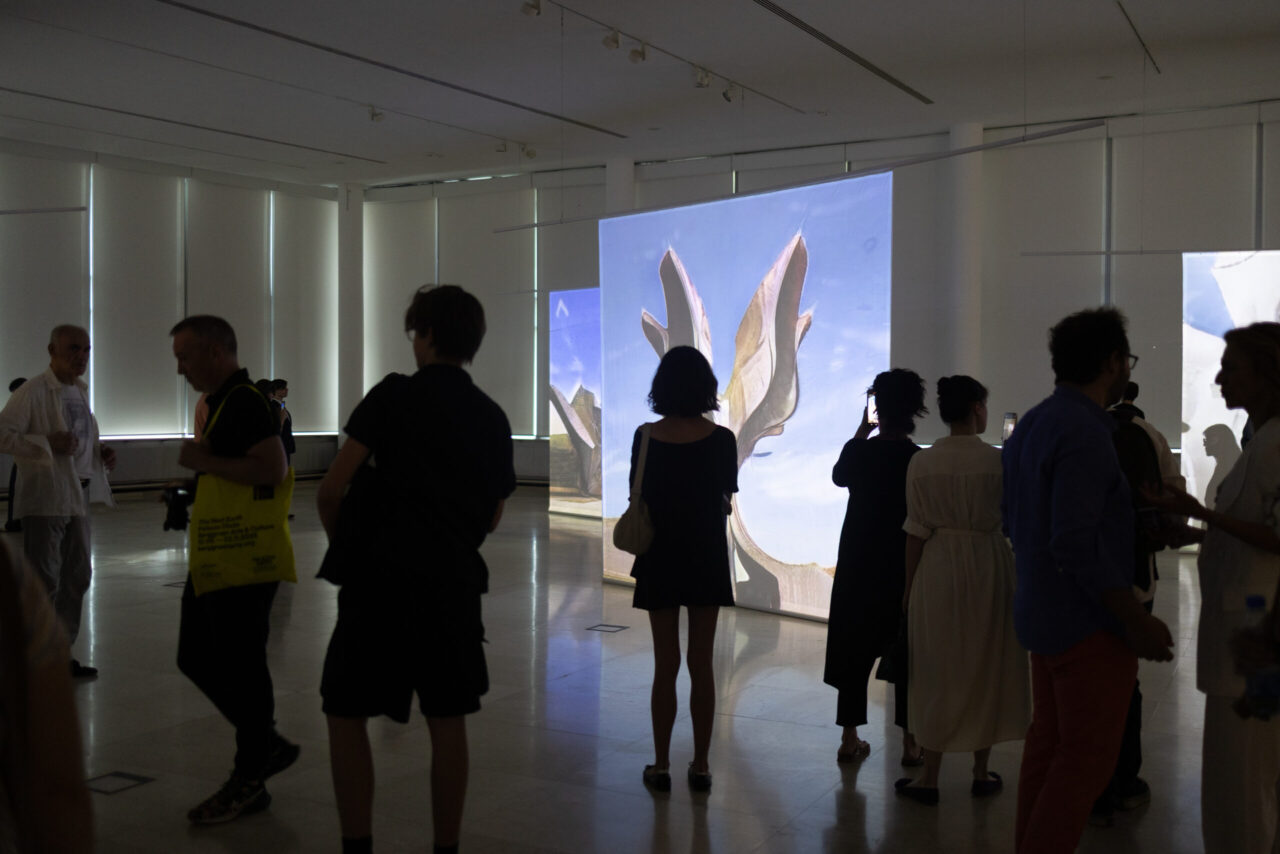
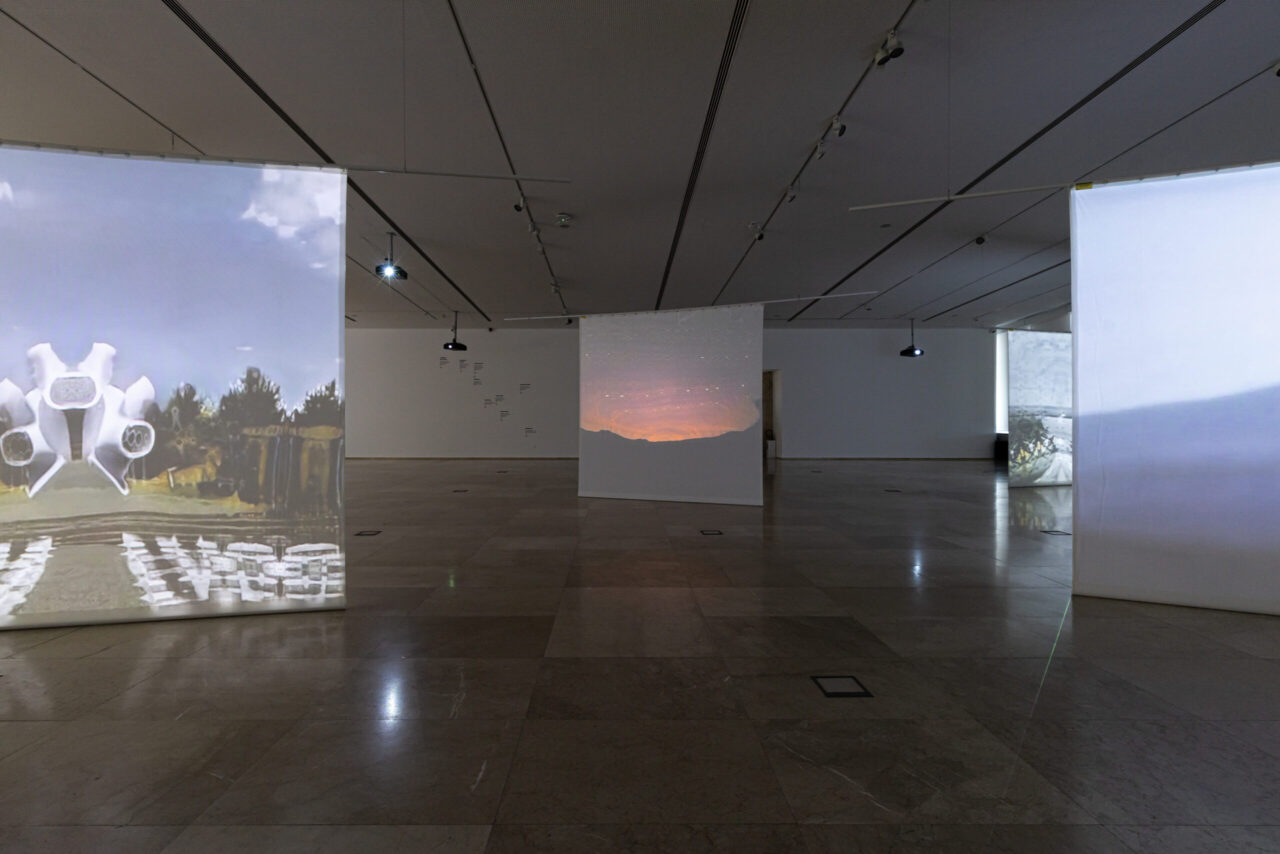
Monuments included:
Interrupted Flight or Monument in the Memorial Park Šumarice, Kragujevac, Serbia, by Miodrag Živković, 1963.
The Battle of Sutjeska Memorial Monument in the Valley of Heroes in Tjentište, Bosnia and Hercegovina, by Miodrag Živković with Ranko Radović, 1971.
Stone Flower commemorating the victims of the concentration camp in Jasenovac, Croatia, by Bogdan Bogdanović, 1966.
Monument to the Revolution on Kozara, Bosnia and Herzegovina, by Dušan Džamonja with Marijana Hanzenković, 1972.
Partisan Memorial Cemetery in Mostar, Bosna and Herzegovina, by Bogdan Bogdanović, 1965.
Monument to the Uprising of the People of Kordun and Banija on Petrova Gora, Croatia, by Vojin Bakić with Zoran Bakić, 1981.
Monument to the Ilinden Uprising in Kruševo, Macedonia, by Jordan and Iskra Grabul, 1974.
Monument on Freedom Hill, in Ilisrska Bistrica, Slovenia, by Janez Lenassi and Živa Baraga-Moškon, 1965.
Memorial to the Fallen of the Lješanska Nahija Region, Barutana, Montenegro, by Kana Radević, 1980.
TEAM:
Ana Miljački, Critical Broadcasting Lab, MIT
Ous Abou Ras | Video Production and ML Engineering
Julian Geltman | Data Research
Pavle Dinulović | Sound Design and Production
COLLABORATORS:
Melika Konjičanin, Sarajevo and Zurich
Ana Martina Bakić, Zagreb
Jelica Jovanović, Grupa Arhitekata, Belgrade
Andrew Lawler, Belgrade
Sandro Đukić, Zagreb
Other Tomorrows, Boston
SUPPORTED BY: MIT Center for Art Science and Technology, (CAST) Mellon Faculty Grant and International Exhibition Grant